Where to lift your UTV with confidence

Learn the safest lift points to handle flat tires, getting stuck, and other common breakdowns

Find Your UTV Lift Points
Where should you lift a UTV?
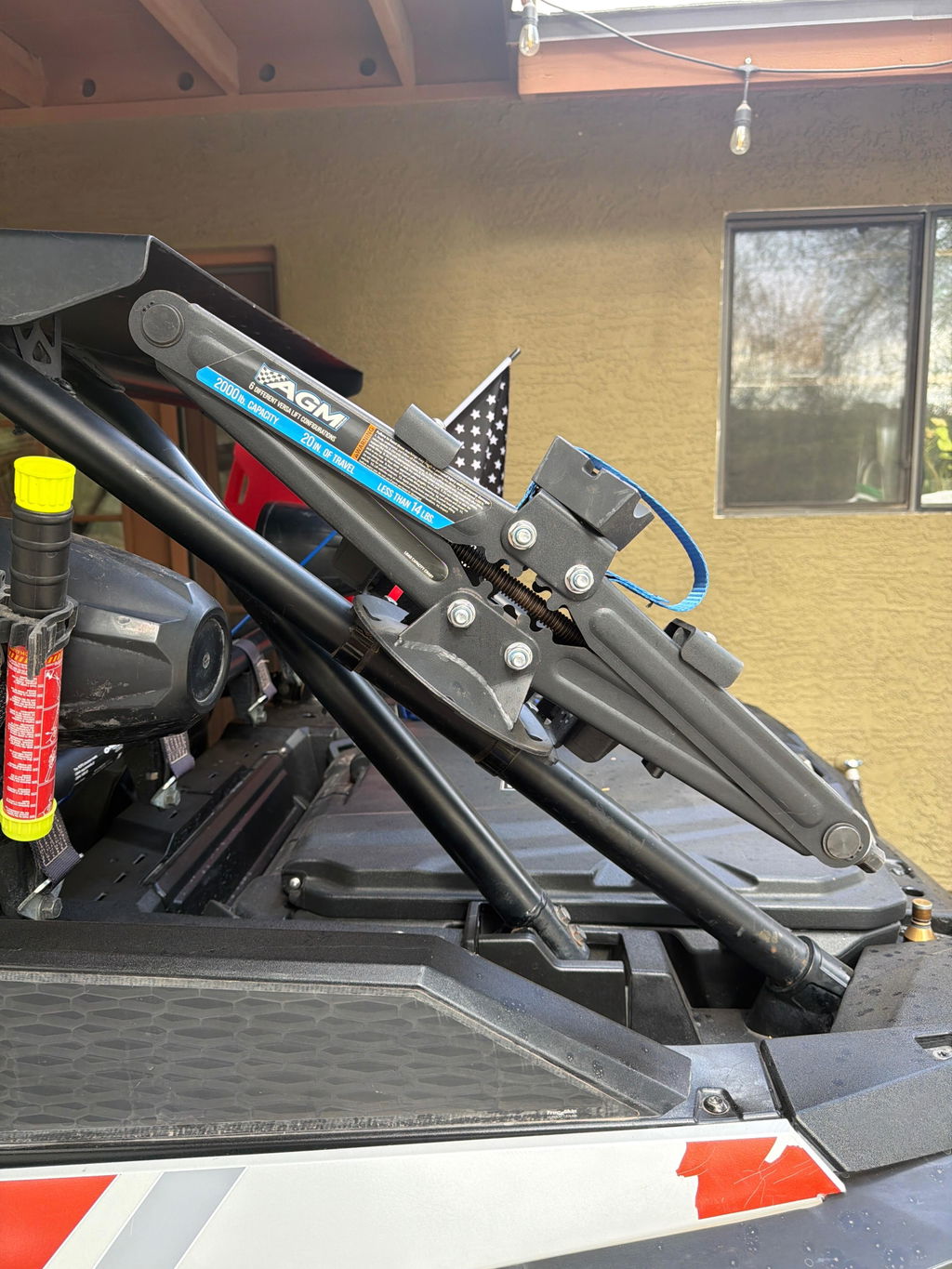
Lift from strong chassis tubing or stable suspension components designed to support the vehicle’s weight safely.

Avoid plastic panels or unsupported areas. Bolts securing skid plates or rocker panels often indicate a chassis tube behind the panel. Also avoid steep suspension angles where the jack could slip

Find your UTV lift points

Select your brand to learn safe lift points for your vehicle.

Don't see your model? Many lift points may be similar — see other models or brands for reference.

Safe UTV lift points

Suspension lift points

Suspension lift points

Many UTVs can be lifted from suspension components like A-arms or control arms when using the correct attachment. Choose stable, level contact points to reduce the risk of slipping.

Chassis lift points

Chassis lift points

Chassis tubing and reinforced frame sections provide the most stable lift points in most situations.

What to avoid

What to avoid

Avoid plastic panels, unsupported skid plates, and steep angles where the jack could shift or slip under load.

Find Your UTV Lift Points

Handling Common Off-Road Situations

Breakdowns off-road are frustrating and can be dangerous. Knowing how to lift safely helps you handle them with confidence.

Park on the flattest ground possible and put the vehicle in park. Chock a tire with nearby rocks or branches to prevent rolling. Lift near the affected wheel using a stable suspension or chassis point to improve stability.

Quick Tip — Never place any part of your body under an unsupported, lifted vehicle with a wheel removed.
Prepare and perform the lift as if it were a flat time...but before working under the vehicle, place a cooler, spare tire, toolbox, rock, or other solid object beneath the chassis as a secondary support. Trail repairs often involve pushing, pulling, or hammering on components, which can shift the vehicle or knock it off the jack.

Never rely on a jack alone to support a vehicle during a repair.
Lift from a stable point so you can place traction boards, rocks, or branches under the affected tire. On soft ground, stability is critical, make sure the jack is secure before lifting.

Quick Tip — Easy on the gas as you drive out, spinning the tires will often digs the vehicle deeper.
Choose the most level lift point available and make sure the jack base is secure before lifting. On uneven ground, stability matters more than speed.

Quick Tip — If needed, level and compact the ground before lifting to create a more stable lifting surface.

How it works

1. Choose where you want to lift

1. Choose where you want to lift

Select a stable lift point on the chassis or suspension based on the situation and your vehicle. Avoid unsupported areas or steep angles.

2. Lift with control

2. Lift with control

Position the jack securely and begin lifting using your manual or battery-powered setup. Keep the base stable and the lift point as level as possible.

3. Repair and keep moving

3. Repair and keep moving

Handle the problem safely and get back to enjoying the adventure without being forced to wait for help.

Find Your UTV Lift Points
What you need to lift safely

What you need to lift safely

The right setup helps you lift safely, stay in control, and handle breakdowns with confidence.

Whether you're using a manual or battery-powered jack, the right base and attachment help prevent slipping while lifting.

Shop Jacks & Tools
Still have questions?
UTVs should be lifted from strong structural points like chassis tubing or suspension components designed to support the vehicle’s weight. Avoid plastic panels or unsupported areas that can bend or fail under load. AGM jacks are designed to interface with these lift points while maintaining stability on soft or uneven terrain.
Yes, many UTVs can be lifted from suspension components like A-arms or trailing arms when using the correct attachment. Choose stable, level contact points and avoid steep angles where the jack could slip under load.

AGM lifting attachments are designed to engage these components while reducing the risk of slipping.
Yes, but soft terrain can cause the jack to sink or shift. Use a stable base and place the jack on the firmest ground possible before lifting.

AGM jacks use a patented GroundLoc wide, dished base designed to improve stability on sand, dirt, and other soft terrain.
Avoid plastic panels, unsupported skid plates, thin metal components, or steep lift angles where the jack could slip under load.
The best off-road jack provides stability, controlled lifting, and secure contact on unpredictable terrain. It should safely interface with suspension or chassis lift points.

AGM off-road jacks are designed specifically for these conditions, with mechanical drive systems and interchangeable lift attachments.
Look for structural components like chassis tubing or reinforced mounting areas. Bolts securing skid plates or rocker panels often indicate a chassis tube behind the panel. AGM’s VersaLift system helps engage these lift points safely and securely.
Yes, especially on unstable ground or steep lift angles. Use a flat contact point, keep the base stable, and lift slowly with controlled movement.
Basic jacks can work, but off-road conditions often require equipment designed for stability and controlled lifting. The right jack and attachments make lifting safer and more reliable.

Be ready for anything off road

Go from stuck to ready for anything

Find Your UTV Lift Points