Tools

AGM Tools are built for people who actually work on vehicles - whether that's in the garage, at the race track, or on the side of a trail miles from help.

Sort by:

AGM Tools are built for people who actually work on vehicles—whether that's in the garage, at the race track, or on the side of a trail miles from help.

Instead of generic tools, we design purpose-built solutions that solve the frustrating problems mechanics encounter every day. From tools that simplify brake service to equipment that makes trail repairs faster and safer, every AGM tool is engineered with real-world use in mind.

Our focus is simple: make the job easier, more reliable, and less time-consuming.

You’ll find tools here that help with brake service, suspension work, vehicle lifting, and other critical repairs where the right equipment can save hours of frustration. Built from high-quality materials and designed to be durable, serviceable, and dependable, AGM tools are trusted by enthusiasts, professional mechanics, and off-road adventurers alike.

Frequently Asked Questions About Automotive Specialty Tools

What is a Jack Rod?

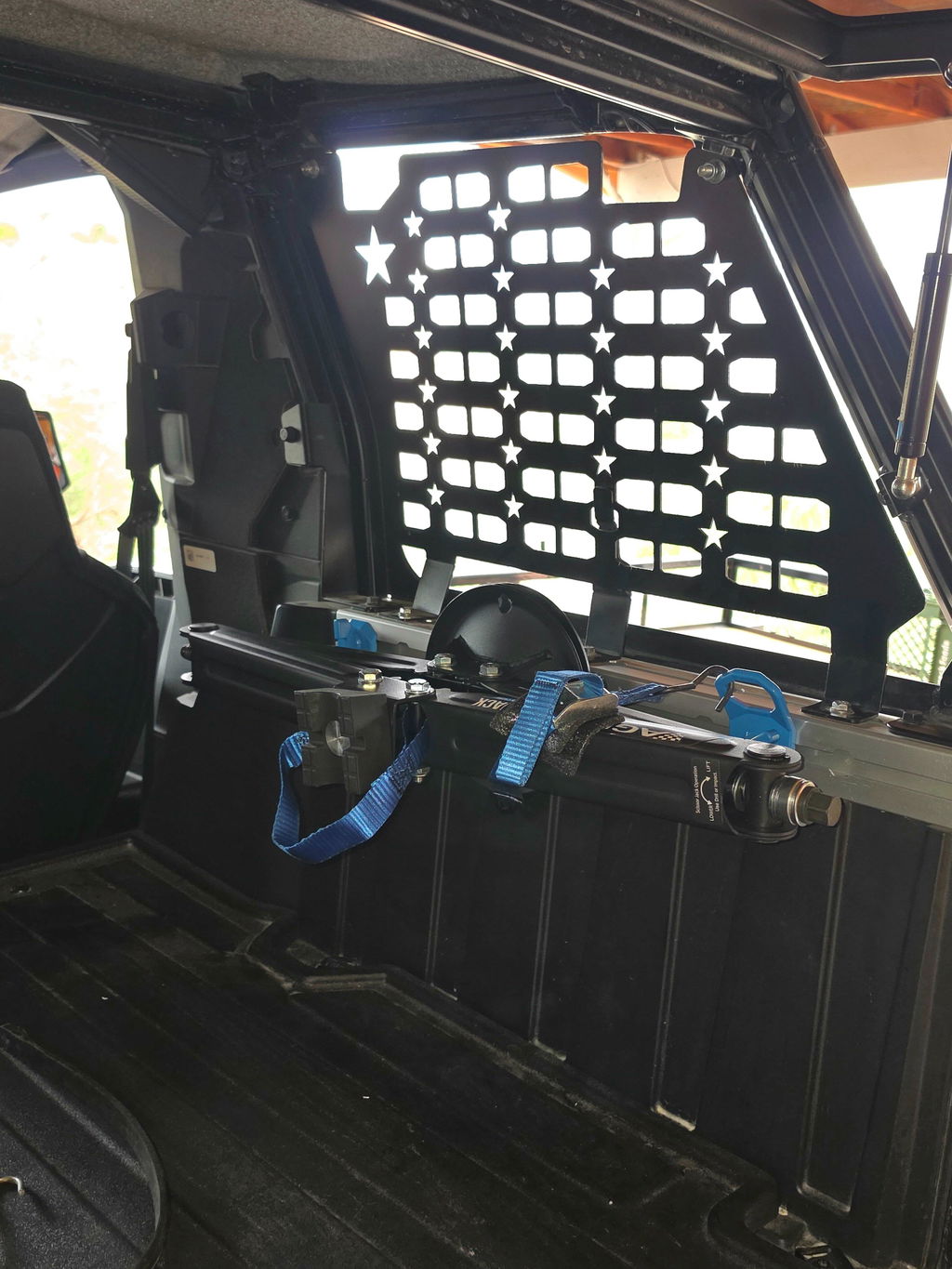
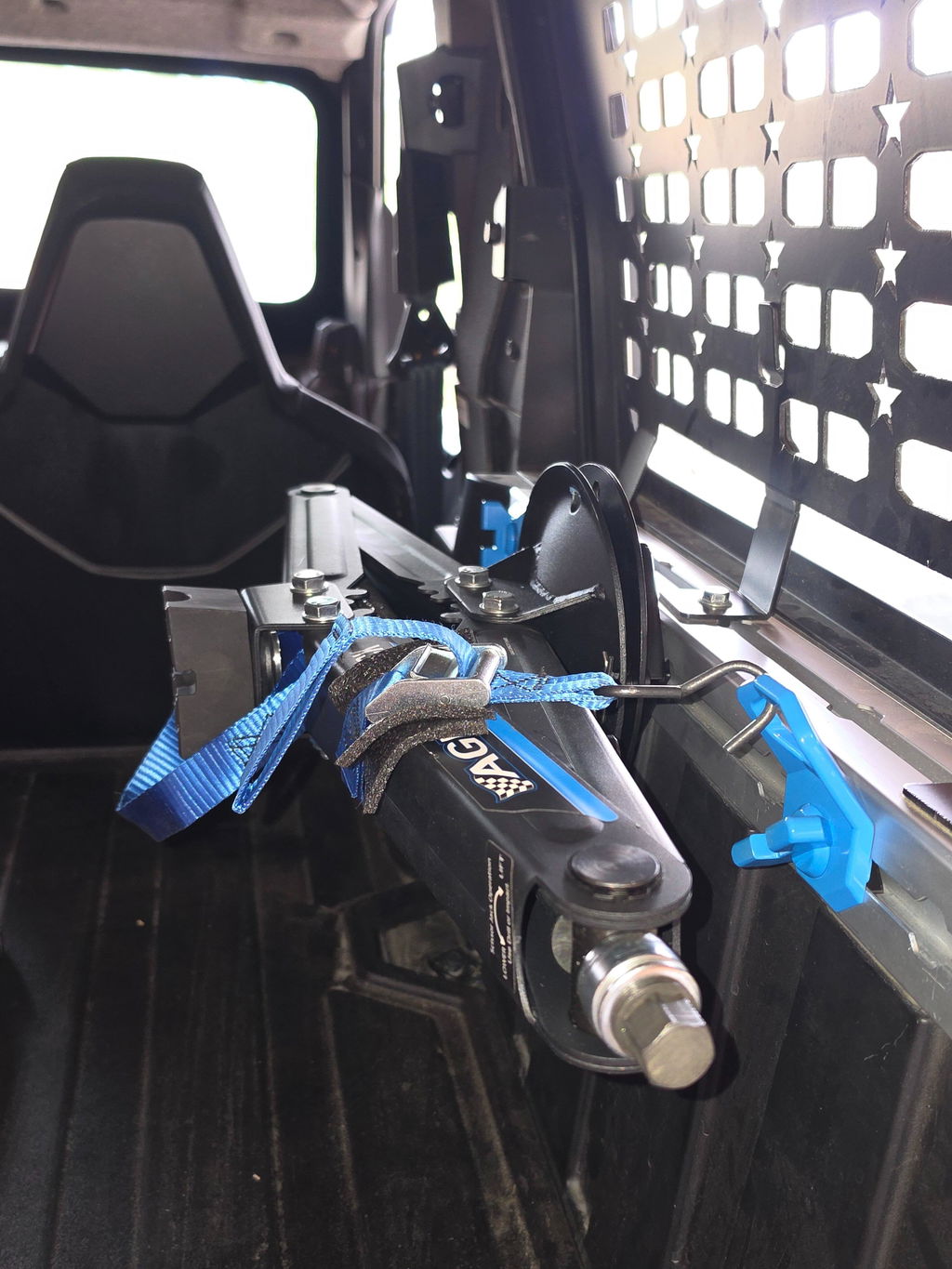
A Jack Rod is a safety support tool designed to work with a floor jack to help prevent vehicle collapse while performing repairs. It uses a spring-loaded telescoping design that locates between the front axle and the lift pad of the floor jack, creating a secondary support point. Unlike bulky jack stands, the Jack Rod is compact and easy to store, making it ideal for quick repairs, tire changes, and mobile service situations where traditional stands may not be practical.

Is it safe to work under a car with a floor jack?

Working under a vehicle supported only by a floor jack is extremely dangerous. Hydraulic jacks can lose pressure or fail unexpectedly, causing the vehicle to drop. Safety experts recommend always using a secondary support system when working under a lifted vehicle. The Jack Rod is designed to provide that added layer of safety by supporting the vehicle between the axle and the floor jack lift pad, helping reduce the risk of sudden collapse during service.

What is an alternative to jack stands?

Jack stands are commonly used to support a vehicle while working underneath it, but they can be bulky and inconvenient to carry in mobile repair situations. Compact safety supports like the Jack Rod provide another option by working directly with a floor jack to help prevent vehicle collapse. Its telescoping design allows it to locate between the axle and the jack lift pad, making it a portable safety support for quick repairs, mobile service work, and trackside maintenance.

Can a floor jack fail while holding a vehicle?

Yes. Floor jacks rely on hydraulic pressure, which can slowly bleed down or fail due to worn seals, damaged components, or accidental release of the valve. This is why most safety guidelines recommend using additional support when working under a lifted vehicle. Tools like jack stands or safety supports such as the Jack Rod help provide an extra layer of protection in case the jack loses pressure.

Is a Jack Rod a replacement for jack stands?

The Jack Rod is designed as a compact safety support for floor jack use, particularly in situations where traditional jack stands are impractical. Many mechanics use it for quick repairs, mobile service, or trackside work where portability matters. For extended service work, or if you plan to keep your vehicle off the ground for storage, then you may want to consider additional supports like jack stands. The Jack Rod’s purpose is to provide an extra layer of safety and stability while a vehicle is supported by a floor jack.

What is the difference between a Jack Rod and jack stands?

Jack stands support a vehicle by resting under the frame or designated lift points, while a Jack Rod works directly with a floor jack to create a secondary support between the axle and the jack lift pad. The main advantage of the Jack Rod is portability and speed. It is compact, quick to deploy, and easy to store in a toolbox or vehicle, making it useful for mobile mechanics, trackside repairs, and situations where traditional jack stands are inconvenient to carry.

When should you use a Jack Rod?

A Jack Rod is useful anytime a vehicle is lifted with a floor jack and additional support is needed. Common situations include tire changes, brake repairs, suspension work, mobile service, and trackside maintenance. It is especially helpful for quick repairs where carrying full-size jack stands is inconvenient or when working on vehicles that only provide limited lifting points.

Why do newer vehicles make it harder to use jack stands?

Many modern vehicles only provide a few designated lifting points along the chassis, which can make placing jack stands difficult once a floor jack is already positioned under the vehicle. This can complicate quick repairs and mobile service work. The Jack Rod solves this problem by locating between the axle and the lift pad of the jack, allowing the vehicle to remain supported without needing additional frame contact points.

Who is the Jack Rod designed for?

The Jack Rod is ideal for mechanics, trackside crews, mobile technicians, and vehicle owners who perform their own repairs. Its compact size makes it easy to store in a toolbox, service vehicle, or race trailer, ensuring a safety support is always available when lifting a vehicle with a floor jack.

Why is a compact vehicle safety support useful?

Traditional jack stands are large, heavy, and often inconvenient to carry in a vehicle. A compact support tool like the Jack Rod provides an added level of safety while remaining portable enough to store in a toolbox or vehicle. This makes it especially useful for mobile service technicians, racing teams, and anyone performing quick repairs away from a full workshop.

What is a brake pressure bleeder?

A brake pressure bleeder is a tool used to flush brake fluid and remove air from a vehicle’s braking system. Unlike vacuum bleeders, which pull fluid from the caliper, pressure bleeders apply controlled pressure at the brake master cylinder. This method forces fluid through the entire system, ensuring air and contaminated fluid are completely removed.

Why is pressure bleeding better than vacuum bleeding brakes?

Pressure bleeding pushes new brake fluid through the system from the master cylinder, which more effectively removes trapped air and contaminated fluid. Vacuum bleeding pulls fluid from the caliper, which can sometimes draw air past seals and produce inconsistent results. Pressure bleeding is widely considered the most reliable method for achieving a firm, consistent brake pedal.

What tools should every off-road vehicle carry?

Off-road vehicles should carry tools that allow basic repairs and recovery in remote environments. Common trail tools include a jack capable of lifting the vehicle on uneven terrain, tire repair tools, suspension service tools, and brake service equipment. AGM designs purpose-built automotive tools that make these repairs faster and easier, helping drivers get back on the trail safely.